For weeks, the message sounded firm and unavoidable. Paper Social Security checks were nearing their end, and beneficiaries were repeatedly warned that “final deadlines” were approaching. Official notices, reminders, and policy briefings pushed the idea that everyone still receiving paper payments needed to move to electronic methods immediately or risk disruption. Then, almost without fanfare, the narrative changed. Instead of a hard cutoff, the government stepped back, softened its stance, and allowed paper checks to continue for certain recipients.
Table of Contents
Why Paper Checks Were Supposed to End
The original push to eliminate paper checks was rooted in efficiency and security. Federal agencies have long argued that electronic payments are safer, faster, and cheaper to administer than traditional mailed checks. Lost mail, stolen checks, and delayed deliveries have been persistent problems, particularly in rural areas and during periods of postal disruption. Moving to direct deposit or prepaid debit cards was presented as a solution that would benefit both recipients and the government. Officials also pointed to costs. Processing and mailing paper checks costs significantly more than issuing electronic payments. With tens of millions of benefits sent each month, the savings from going fully digital could reach millions of dollars annually.
The Reality Officials Could Not Ignore
As the “final” deadlines approached, advocacy organizations and lawmakers began highlighting a critical issue: not everyone can easily make the switch. While electronic payments are standard for most Americans, a small but significant group still relies on paper checks out of necessity rather than preference. Many older adults do not have bank accounts, either due to past financial challenges or a lack of access to nearby banking services. Others live in areas with unreliable internet or limited digital infrastructure, making online account management difficult. For people with cognitive impairments or disabilities, navigating digital systems can be overwhelming without consistent assistance.
What the Policy Change Means Now
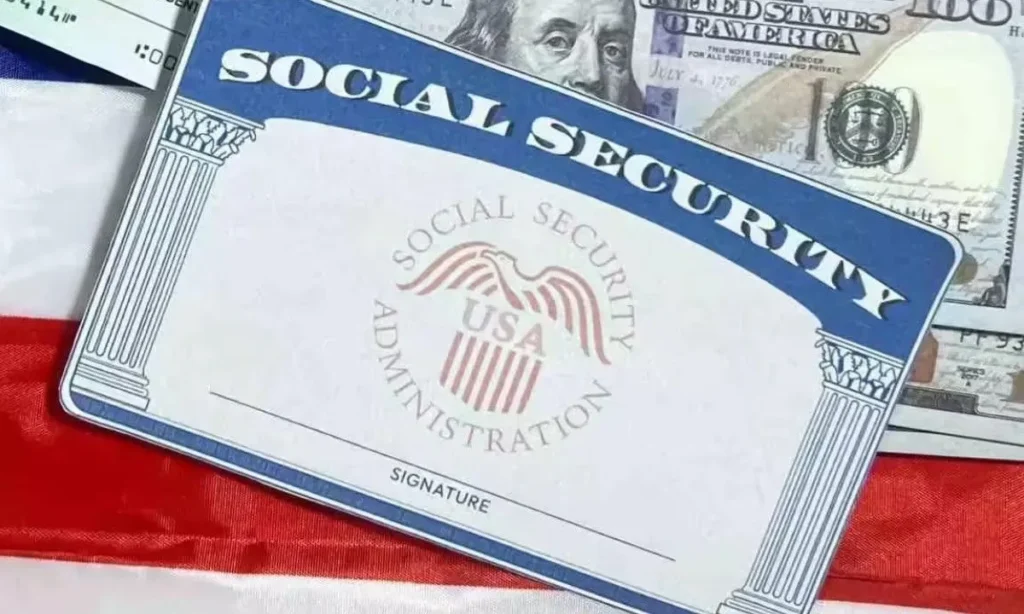
Despite earlier warnings, Social Security payments will not suddenly stop for those still receiving paper checks. Instead, the government has adopted a more flexible approach, recognizing that modernization must account for individual circumstances. Paper checks remain available for eligible recipients, even as digital payments continue to be encouraged.
This shift does not mean the digital transition has been abandoned. Federal agencies still strongly recommend electronic payments due to their reliability and speed. However, the emphasis has moved away from enforcement and toward gradual adoption, with safeguards in place for those who need more time or support.
Payment Methods at a Glance
| Payment Method | Status | Key Notes |
|---|---|---|
| Direct Deposit | Encouraged | Fastest and most secure option |
| Direct Express® Card | Available | Designed for unbanked recipients |
| Paper Check | Still Allowed | Continued for qualifying beneficiaries |
Why This Decision Matters More Than It Seems
At first glance, this policy adjustment may appear minor, affecting only a small percentage of beneficiaries. In reality, it highlights a larger challenge facing government agencies across the country: how to modernize essential services without excluding people who are already vulnerable. For many seniors, receiving a paper check is not just a payment method but a familiar routine tied to financial independence. Abruptly removing that option can feel destabilizing, particularly for individuals who have relied on it for decades. By stepping back from a rigid deadline, the government has acknowledged that inclusion matters as much as efficiency.
What Beneficiaries Should Do Next
If you currently receive a paper check, there is no immediate action required. However, it may still be helpful to explore electronic options if you are able to do so comfortably. Direct deposit remains the safest and most reliable method, and assistance is available through the Social Security Administration for those who need help setting it up. For those who cannot switch, staying informed is essential. Keeping contact information up to date with the SSA ensures you receive accurate notices and avoids unnecessary confusion if policies evolve again in the future.
A Quiet Reversal With Lasting Impact
The government’s decision to soften its stance after weeks of firm messaging shows how public response can influence policy, even after “final” deadlines are announced. It serves as a reminder that modernization efforts must be flexible enough to accommodate real-world challenges, not just administrative goals. While digital payments will likely continue to expand, paper checks are not disappearing overnight. For now, beneficiaries can take comfort in knowing that access to Social Security benefits remains protected, regardless of how those payments arrive.